



In previous generations, math class often meant memorizing formulas and applying them to tests; productive struggle looked different.
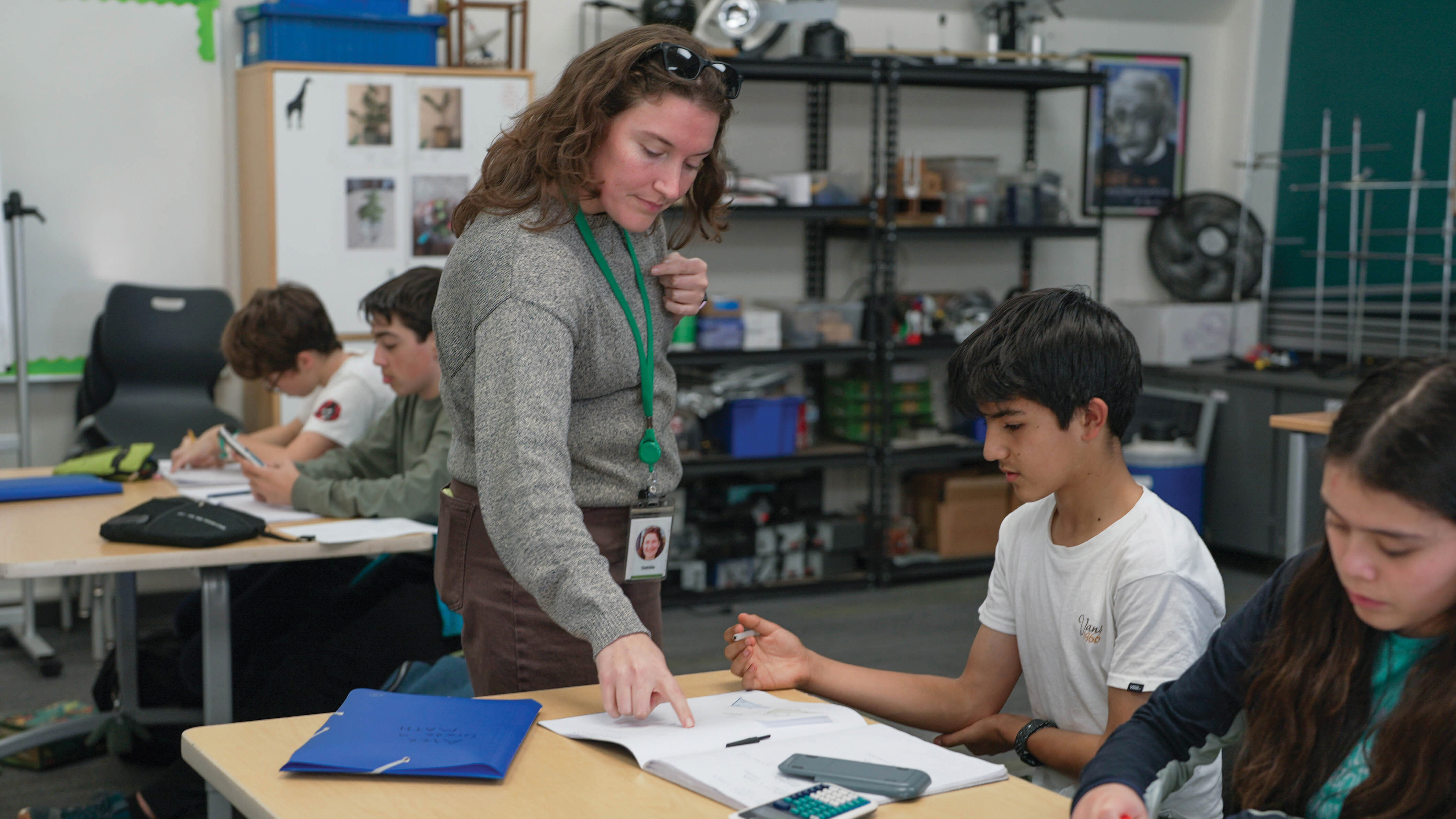
Silicon Valley International School (INTL) teachers increasingly recognize that productive struggle plays an essential role in learning and thoughtfully incorporate it into their classes. It shapes how students engage with challenging material and build confidence over time. For Clothilde Labrousse, Upper School Math Teacher and Dean of Students (Pastoral), challenge is not an obstacle to learning. It is one of the goals.
“For me, being challenged sits at the opposite end of the spectrum from being bored,” Clothilde explained. “When students are in that sweet spot of tension and discomfort, that’s when they’re most engaged.”
In her High School Advanced Mathematics classroom, lessons are intentionally designed to feel demanding. That challenge is a necessary condition for learning. Making mistakes and working through confusion are not signs of failure, but evidence that learning and growth is happening.
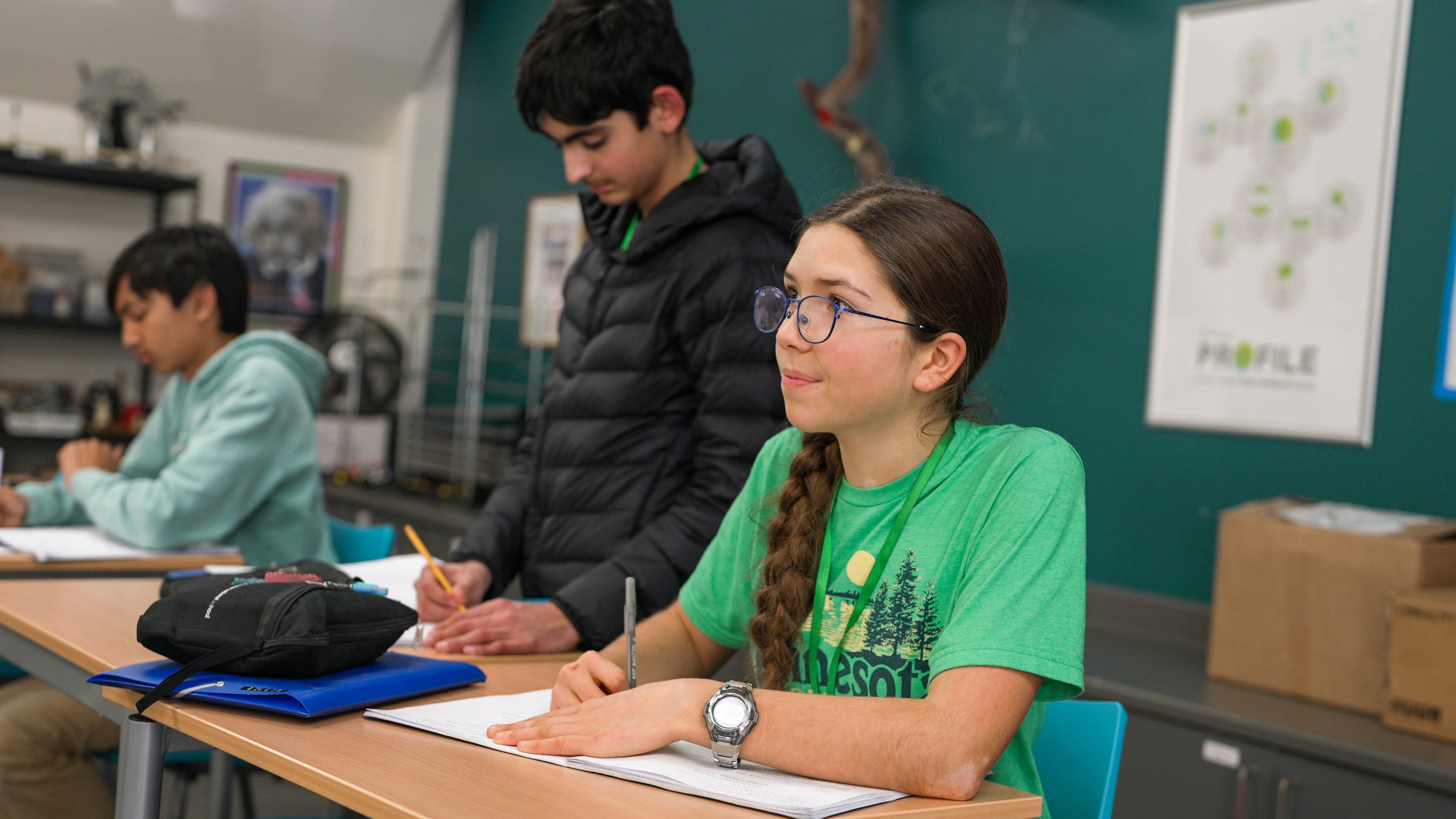
To support students through challenging moments when they begin to feel overwhelmed, Clothilde developed a productive struggle rubric inspired by fellow INTL teacher Sophia Larney’s work. The rubric helps students
work through challenges with strategies such
as breaking problems into smaller parts, returning to definitions, collaborating with peers, and staying open when solutions are not immediately clear.
Just as importantly, this focus on productive struggle is paired with building strong study habits. Many students entering advanced math have not previously needed to study intentionally. Early in the year, Clothilde
noticed her 9th Grade students arriving at assessments confident, with a mentality of
“I believe I understood it in class. I understood the homework well enough, so what more is there to do?”
“High school is a different beast, and college will be different again. They need effective study skills,” she explained. So she built another rubric focused on study habits, what consistent study habits look like, and what high school study habits look like.
Students complete a weekly study assignment alongside daily homework. They identify the skills they find most challenging, choose from available resources, and spend additional time working intentionally on those areas. They are then assessed based on the quality and consistency of their efforts, and how intentionally and seriously they engage in the process.
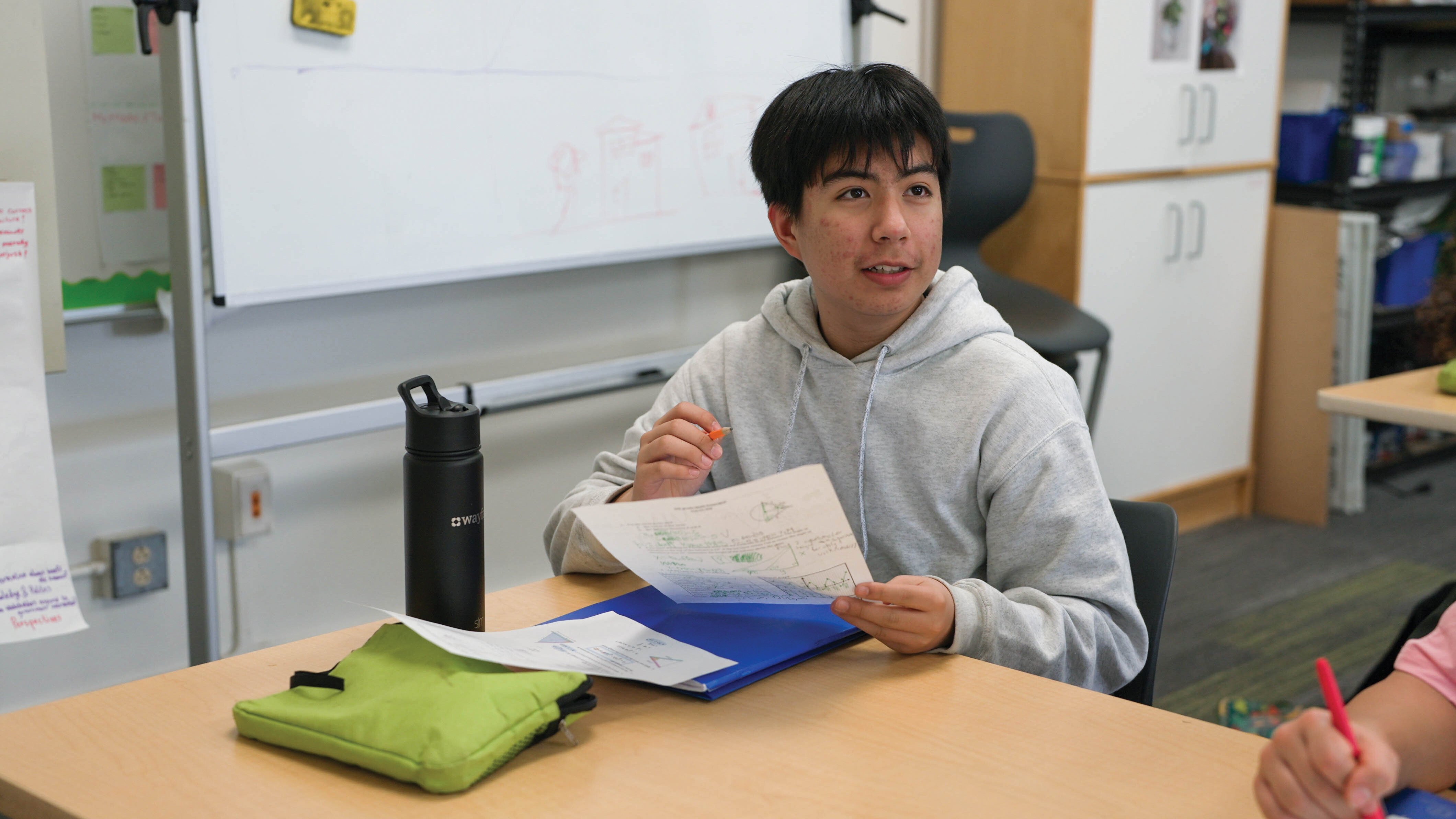
This structure helps students acquire good habits that will support them throughout high school and college.
In the end, it is all about keeping students engaged and enjoying the challenge. Rather than just being given rules to apply, students investigate patterns and create ideas on their own, connecting new concepts to prior learning. Struggle is normalized as part of the learning. As Clothilde reminds students, mathematicians may spend years struggling and working on a single problem.
When students describe a problem as difficult and satisfying at the same time, Clothilde sees confidence taking shape.
When a student tells me “that problem was really devious, but I loved it, that’s when I know we’re doing it right!”